What to Know Before Tackling a Property Cleanout
Understanding the Scope of a Property Cleanout
A property cleanout goes beyond simple trash removal. It often involves clearing overgrown vegetation, removing fallen trees, and dealing with debris that has accumulated over years. For homeowners and property managers in Jasper and Pickens County, Georgia, this kind of work can feel overwhelming. The key is to approach it methodically, starting with a clear assessment of what needs to go and what can stay.
When you look at a property that needs clearing, you might see brush, deadwood, and perhaps a few leaning trees that pose a risk. A thorough cleanout addresses not just the visible mess but also the underlying hazards. For example, a tree with a cracked trunk might look stable in dry weather but could fail during a storm. Recognizing these risks early helps you plan the work in the right order.
Common Challenges During a Cleanout
One of the biggest challenges is dealing with large trees or heavy limbs that have fallen or are at risk of falling. Removing these requires both skill and the right equipment. Without proper technique, you can damage structures, fences, or underground utilities. That is why many property owners turn to professionals who understand tree biology and safe rigging methods.
Another challenge is managing the volume of material. A single large oak can produce tons of branches and trunk sections. Hauling that much debris requires a truck and a plan for disposal. Some materials can be chipped into mulch, while others need to be taken to a landfill or recycling facility. Understanding these options ahead of time saves you from last-minute scrambling.
Weeds and invasive species add another layer. Kudzu, English ivy, and poison ivy can cover entire sections of a property, hiding hazards beneath. Clearing these plants often requires protective gear and careful disposal to prevent regrowth. It is not just about cutting them down; it is about removing root systems and treating the area so they do not return.
Safety Considerations for Any Cleanout
Safety should be your top priority. Even a straightforward cleanout can involve working at heights, handling sharp tools, and moving heavy loads. Chainsaws, chippers, and stump grinders are powerful machines that demand respect. If you are doing the work yourself, make sure you have the right personal protective equipment: hard hat, eye protection, hearing protection, gloves, and steel-toed boots.
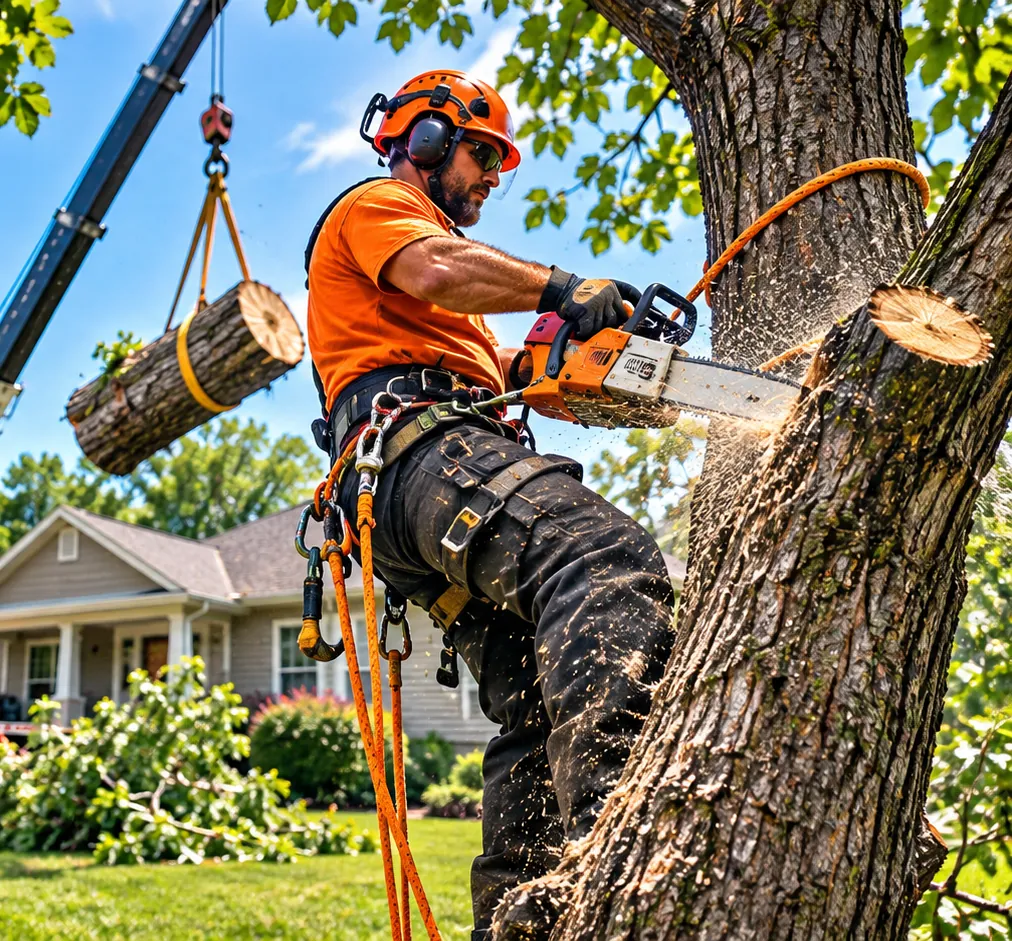
Look for hidden dangers before you start. Dead branches can fall without warning. Power lines might be tangled in tree limbs. Underground pipes and cables can be damaged by digging or heavy equipment. A quick call to local utility companies can mark buried lines, saving you from a costly mistake. Also, check for animal nests or hives, especially in dense brush or hollow trees. Disturbing a wasp nest or a raccoon den can turn a routine job into an emergency.
Weather also plays a role. Wet ground makes equipment slip, and wind can make tree work unpredictable. Plan your cleanout for dry, calm days when you can see clearly and work steadily. If you are hiring a crew, ask about their safety protocols and insurance. A reputable company will have both.
When to Bring in a Professional
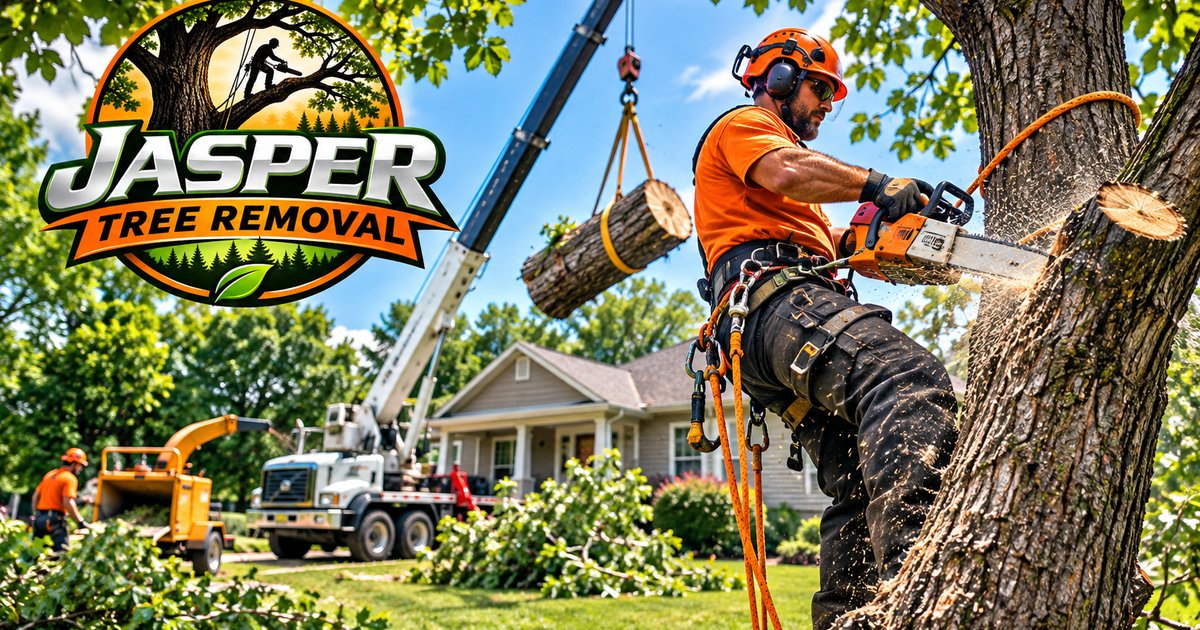
Some cleanout tasks are best left to experienced crews. If a tree is leaning toward a house or has large, heavy limbs that are difficult to reach, professional climbers and riggers can dismantle it safely. They use ropes and pulleys to lower sections to the ground, avoiding damage to the property. Stump grinding is another job that benefits from specialized equipment. A stump grinder can chew through a stump and its roots below ground level, allowing you to replant or grade the area.
Professionals also handle the disposal side efficiently. When you hire a company like Jasper Tree Removal, you get a crew that knows local regulations for debris disposal and can often recycle wood as mulch or firewood. This saves you trips to the dump and ensures the work meets any local ordinances. For property cleanouts that include tree work, it is often more cost-effective to bring in a crew than to rent equipment and spend days on the job yourself.
If the property is large or has multiple hazards, a professional assessment can give you a clear plan. The crew will walk the property, identify risks, and prioritize the work. They can also spot issues you might miss, like a tree with internal decay that is not obvious from the outside. This kind of expertise is especially valuable for rental properties or vacant lots where safety and liability matter.
Planning Your Cleanout Step by Step
Start with a walkthrough. Note every tree, stump, and pile of debris. Mark trees that are dead, diseased, or leaning. Look for overgrown shrubs and vines that need removal. Take photos so you can reference them later. This inventory helps you decide what equipment and help you will need.
Next, decide what to keep. Maybe a healthy oak provides shade, or a line of shrubs acts as a privacy screen. Mark those clearly so they are not accidentally removed. Then, set a timeline. A small lot might take a day, while a heavily wooded acre could take several days. Break the work into phases: first, remove debris and fallen limbs; second, take down hazardous trees; third, grind stumps; and finally, clear brush and overgrowth.
Consider access. Can a truck and chipper reach the back of the property? If not, you may need to create a path or plan to carry debris to a central collection point. This is especially important on sloped or uneven ground. Also, think about where to pile debris. Keep piles away from buildings, fences, and utility lines to avoid accidents.
What to Do with the Waste
Woody debris can be chipped into mulch, which you can use on the property or donate to local landscaping projects. Larger logs can be cut into firewood. Stumps can be ground into wood chips. Green waste like leaves and small branches can be composted. If you cannot reuse the material, check with your local landfill about fees and restrictions. Some areas offer free drop-off for yard waste during certain seasons.
For hazardous materials like treated lumber or chemical containers, follow local disposal guidelines. Do not burn them, as they can release toxic fumes. Separate these items from the rest of the debris and dispose of them properly.
Cost and Time Considerations
The cost of a property cleanout depends on the size of the property, the amount of debris, and the complexity of the tree work. Removing a single large tree is different from clearing an entire overgrown lot. Getting multiple estimates can help you understand the range. However, be wary of very low bids, as they may reflect insufficient insurance or lack of proper equipment.
Time is another factor. A cleanout that you do yourself might stretch over several weekends, especially if you have other commitments. Hiring a crew can compress the work into a day or two, which is often worth the cost for rental properties or homes you are preparing to sell. Remember that weather and seasonal demand can affect scheduling. Spring and fall are busy seasons for tree work in Georgia, so book ahead if you have a deadline.
For those working with a limited budget, consider doing the lighter work yourself and hiring professionals only for the heavy or dangerous tasks. For example, you can trim low branches and clear brush, but leave the tall, leaning trees to a crew. This hybrid approach can save money while still ensuring safety.
Final Checks After the Cleanout
Once the debris is gone and the stumps are ground, walk the property again. Look for any remaining hazards like exposed roots, uneven ground, or hidden stumps. Fill in holes left by stump grinding with topsoil so the area is safe for foot traffic and mowing. If you plan to plant grass or garden, test the soil pH and amend it as needed. The area may need time to settle before you add structures or paths.
A property cleanout is more than just a chore. It is an opportunity to reset the landscape, improve safety, and increase the value of your land. Whether you do it yourself or call in a team, a thoughtful approach makes the process smoother and the results last longer. For residents of Jasper and Pickens County, resources like jaspertreeremoval.com can help you connect with experienced crews who understand the local terrain and tree species. Taking the time to plan and execute a cleanout properly will pay off in a safer, more usable property.
In the end, a clean property is not just about appearance. It is about peace of mind. Knowing that dead limbs will not fall on the roof, that overgrown brush will not hide pests, and that the land is ready for whatever comes next. That peace of mind is worth the effort, whether you pick up a chainsaw yourself or hand the job to a trusted team.
Jasper Tree Removal on social media
 Twitter
 Instagram
 YouTube